01
Build a YouTube Channel
A YouTube channel is probably the method people
picture first when they hear "passive income," and it's also the
one most likely to disappoint if you go in expecting quick money.
The upside is real — ad revenue, sponsorships, and affiliate links
keep paying out on old videos for years — but YouTube's algorithm
rewards consistency over talent for the first year or two. Most
creators who eventually monetize uploaded weekly for six to twelve
months before hitting the 1,000 subscribers and 4,000 watch hours
needed for the YouTube Partner Program.
The niches that pay the best per view aren't always the most fun
to make. Finance, software, and insurance content routinely earns
$15–$30 per 1,000 views (RPM), while gaming and vlogging often sit
under $4. That gap matters more than subscriber count when you're
deciding where to point a new channel.
| Niche |
Typical RPM (USD) |
Why |
| Personal finance / investing |
$15–$30 |
High-value advertisers (banks, brokers) |
| Software & SaaS reviews |
$10–$20 |
B2B advertisers pay a premium |
| Education & tutorials |
$6–$12 |
Steady, evergreen search traffic |
| Gaming |
$2–$5 |
Huge audience, lower ad rates |
| Vlogging / lifestyle |
$1–$4 |
Broad but less commercially targeted |
Startup CostLow
Time to First $6–12 mo
Skill NeededMedium
Income CeilingVery High
What Works in Its Favor
- Old videos keep earning years after upload
-
Multiple income streams (ads, sponsors, affiliates,
memberships)
- No website or hosting costs to start
- A single viral video can reset your entire trajectory
What Nobody Mentions
- The first 100 videos usually get almost no views
- Editing eats far more time than filming
-
Ad revenue alone rarely covers a full-time income under 500K
views/month
- Burnout is common around month four or five
Before you upload anything, it's worth spending an evening on
keyword research — searching titles that already rank tells you
what people are actually typing in. Our own
YouTube keyword generator
and
tag extractor
are free ways to reverse-engineer what's working for channels in
your niche, and the
thumbnail downloader
is handy for studying what top-performing thumbnails in your space
actually look like before you design your own.
02
Start a Blog
Blogging gets written off as "dead" every couple of years, and
every couple of years it quietly keeps paying the people who stuck
with it. What's changed is the timeline — Google now rewards
genuinely useful, well-organized content over keyword-stuffed
articles, which actually favors a blog written by
someone with real experience over a content mill. The tradeoff is
that new sites take longer to rank than they did a decade ago;
four to nine months of consistent publishing before meaningful
search traffic is a realistic expectation, not a worst case.
Where a blog earns money varies a lot by niche and traffic level,
and most successful blogs combine two or three of these rather
than relying on one:
| Monetization Method |
Traffic Needed to Start |
Notes |
| Display ads (e.g. Mediavine, Ezoic) |
10,000–50,000 sessions/mo |
Passive once approved; income scales with traffic |
| Affiliate marketing |
Any (works from post one) |
Highest earning potential per visitor |
| Digital products (templates, guides) |
Small, engaged audience |
Best margins, but takes upfront creation time |
| Sponsored posts |
Established niche authority |
Manual, not fully passive |
Startup CostVery Low
Time to First $4–9 mo
Skill NeededLow–Medium
Income CeilingVery High
What Works in Its Favor
- Hosting and a domain cost under $100/year to start
-
You own the platform — no algorithm can deplatform you
overnight
- Builds long-term search authority that compounds
-
Pairs naturally with almost every other item on this list
What Nobody Mentions
- SEO knowledge has a real learning curve
- Google algorithm updates can swing traffic overnight
-
Ad networks usually need real traffic thresholds before
approving you
- The first year is mostly writing into silence
Whatever niche you pick, keep the writing genuinely yours. Search
engines are increasingly good at spotting thin, AI-templated
content, and readers can usually tell too. If you've leaned on AI
tools anywhere in your drafting process, it's worth running the
piece through a checker like our
guide to AI detector tools
before you publish, and using a strong, unique password on your
CMS login — our free
password generator
takes ten seconds.
03
Create an Online Store
An online store sits closer to a real business
than most items on this list, and that's exactly why it can
outgrow every other entry here. Platforms like Shopify and
WooCommerce have stripped out most of the technical barrier — the
real work now is picking the right product, sourcing it reliably,
and getting the first hundred customers. Print-on-demand and
made-to-order models let you start with almost no inventory risk,
while private-label products cost more upfront but usually carry
better margins once you're established.
| Store Model |
Upfront Cost |
Margin |
| Print-on-demand |
$0–$50 |
15–30% |
| Dropshipping |
$50–$300 |
10–25% |
| Private label / own inventory |
$500–$5,000+ |
30–60% |
| Digital products |
$0–$100 |
70–95% |
Startup CostMedium–High
Time to First $2–5 mo
Skill NeededMedium
Income CeilingVery High
What Works in Its Favor
- Sells to a global customer base from day one
-
Can be run alongside a full-time job with the right systems
- Scales further than most items on this list
- Real, tangible business you can eventually sell
What Nobody Mentions
-
Ad costs (Meta, Google) eat margin fast if you don't test
carefully
-
Returns, refunds, and customer service take real time weekly
-
Inventory-based models tie up cash before you've made a sale
-
Platform fees stack up (payment processing, app
subscriptions, ads)
If you're funding inventory or ad spend with a card, it's worth
comparing options built for business spending rather than a
personal card — for readers in India, our breakdown of the
best SBI credit cards for 2025
covers a few with useful cashback on online spending categories.
And whatever platform you build on, use a unique, generated
password for the admin login — a compromised store account is one
of the fastest ways to lose a business overnight (our free
password generator
takes care of that in seconds).
04
Freelancing
We'll be upfront: freelancing is the least
passive item on this entire list — you're trading hours for money
just like a job. It earns its spot here because it's usually the
fastest way to turn an existing skill (writing, design,
development, video editing, bookkeeping) into cash, and the income
you generate can directly fund the more passive projects elsewhere
on this page. A lot of successful bloggers and course creators
started by freelancing to cover their bills while their "real"
passive project grew in the background.
Platforms like Upwork and Fiverr get you your first clients fast,
but they also take a cut and put you in direct competition with
lower-cost bidders. The real income growth in freelancing comes
later, once you can move clients to direct contracts and raise
your rates outside the platform.
Startup CostVery Low
Time to First $1–3 wks
Skill NeededMedium–High
Income CeilingMedium
What Works in Its Favor
- Fastest path to income of anything on this list
- You choose your hours and, eventually, your clients
- Directly builds a portfolio you can use elsewhere
-
Can fund the slower, more passive projects on this page
What Nobody Mentions
-
Income stops the moment you stop working — this is trading
time, not passive
- Platform fees typically run 5–20% per project
- Feast-or-famine cycles are common in the first year
- You're responsible for your own taxes and invoicing
Many freelance clients now run submitted writing or design work
through AI-content checkers before paying invoices, so it's worth
understanding how those tools read your work — our
AI detector tools comparison
explains what they actually flag. And since you'll be logging into
multiple client portals and payment platforms, a password manager
habit pays for itself the first time you avoid a reused-password
breach — start with our free
password generator.
05
Affiliate Marketing
Affiliate marketing — earning a commission for
sending someone to buy a product — works best as a layer on top of
something you're already building, whether that's a
blog, a YouTube channel, or a
newsletter, rather than as a standalone project. Trust matters
more than traffic volume here: a small audience that genuinely
believes your recommendations will out-earn a large one that
senses you're just chasing commissions.
| Category |
Typical Commission |
| Software / SaaS |
20–40% recurring |
| Online courses |
30–50% one-time |
| Physical products (Amazon Associates) |
1–10% |
| Financial products (cards, brokers) |
$50–$200 flat per signup |
| Web hosting |
$50–$150 flat per signup |
Startup CostVery Low
Time to First $4–8 mo
Skill NeededLow–Medium
Income CeilingHigh
What Works in Its Favor
- No product creation, inventory, or customer support
- Layers cleanly onto content you're already making
-
Recurring-commission software programs can build real
monthly income
- Genuinely passive once a page is ranking
What Nobody Mentions
-
You need an audience or search traffic first — it doesn't
work in a vacuum
-
Commission rates and cookie windows can change without
notice
-
Legally requires clear affiliate disclosure in most
countries
-
Amazon's commission rates are lower than most people expect
Whatever you promote, only recommend products you'd genuinely use
— readers can tell the difference, and it protects your
credibility long after any single commission. If personal finance
products are your niche, our own posts on
safe savings schemes
and
credit card comparisons
are examples of the kind of genuinely useful, comparison-driven
content that tends to convert well.
06
Create an Online Course
If you can explain something well that other people are actively
trying to learn, an online course turns that
knowledge into a product you build once and sell repeatedly. The
upfront work is real — filming, editing, and structuring a
curriculum usually takes 40–100 hours for a solid course — but
unlike freelancing, that time investment doesn't reset every
month.
| Platform |
Fee Structure |
You Keep |
| Teachable / Podia |
Monthly subscription |
~95%+ |
| Udemy |
Marketplace commission |
37–97% (traffic-source dependent) |
| Your own site + Gumroad/Stripe |
~3–10% per sale |
90–97% |
Startup CostLow
Time to First $2–4 mo
Skill NeededHigh
Income CeilingVery High
What Works in Its Favor
- Build once, sell for years with minor updates
- Positions you as a credible expert in your field
- Higher price points than most digital products
-
Bundles naturally with a blog, YouTube channel, or
newsletter
What Nobody Mentions
-
Marketplace platforms like Udemy discount aggressively,
capping your price
-
Student refund and support requests don't fully disappear
post-launch
- Needs an audience or ad budget to sell consistently
-
Content can go stale and need re-recording for fast-moving
topics
Promote the finished course the same way you'd promote a YouTube
video — with real keyword research rather than guesswork. Our
YouTube keyword generator
works well for scripting a course trailer that actually gets
found, and if any part of your course scripts were AI-assisted,
it's worth a pass through our
AI detector tools guide
before publishing — some platforms now flag heavily AI-written
course descriptions in search rankings.
07
Write and Self-Publish a Book
Self-publishing through Kindle Direct Publishing (KDP) or similar
platforms removes the traditional gatekeepers, but it doesn't
remove the work — writing a genuinely useful nonfiction book or a
well-plotted novel is still 100+ hours of effort before you
publish. What changed is the royalty math: self-published authors
typically keep 35–70% per sale, compared to 10–15% through a
traditional publisher, even though your total volume is usually
smaller without a publisher's distribution.
| Publishing Route |
Typical Royalty |
Upfront Cost |
| KDP self-publishing (ebook) |
35% or 70% |
$0–$500 (editing, cover) |
| KDP self-publishing (print) |
~40–60% of list price |
$0–$800 |
| Traditional publisher |
10–15% |
$0 (advance-funded) |
| Audiobook (ACX) |
25–40% |
$0–$1,500 (narration) |
Startup CostLow
Time to First $6–18 mo
Skill NeededHigh
Income CeilingMedium
What Works in Its Favor
-
Royalties keep coming in for as long as the book stays
listed
- Full creative and pricing control
- Establishes real authority in your field
-
One book can lead to speaking, consulting, or course sales
What Nobody Mentions
-
Most self-published books sell fewer than 250 copies in year
one
-
Editing and cover design are worth paying for — it shows
immediately
- Marketing is entirely on you unless you hire it out
-
Fiction and nonfiction require very different launch
strategies
If you draft with any AI assistance, disclose it where platforms
require it, and always run the final manuscript for both
plagiarism and AI-detection risk before submission — retailers and
readers are both increasingly sensitive to it. Our
guide to AI detector tools
covers which checkers are actually reliable in 2026.
08
Start a Podcast
A podcast is a slow build compared to almost
everything else on this list — most shows need 20–40 episodes
before download numbers become meaningful, and monetization
(sponsorships, dynamic ads, listener support) usually doesn't kick
in until you're past 1,000 downloads per episode in the first
week. What it has going for it is intimacy: audio builds trust
faster than almost any other format, which is why podcast
listeners convert unusually well on recommendations.
Startup CostLow
Time to First $8–18 mo
Skill NeededLow–Medium
Income CeilingMedium
What Works in Its Favor
-
Low equipment bar — a decent USB mic is enough to start
-
Deep listener trust translates well to sponsor conversions
-
Easy to repurpose into clips, blog posts, and social content
-
Guests often promote episodes to their own audience for you
What Nobody Mentions
-
Editing audio well takes longer than most people expect
-
Discovery is genuinely harder than on video or text
platforms
-
Most shows plateau below the download threshold sponsors
want
-
Consistent weekly output is hard to sustain solo past month
six
Most podcasts now live a second life as short video clips on
YouTube and Shorts — if you're filming your episodes, our
YouTube hashtag generator
and
tag extractor
help those clips actually get discovered instead of sitting at
zero views.
09
Sell Stock Photos Online
If you already shoot photos for other reasons, licensing them
through stock platforms is close to free money — you're monetizing
a back catalog rather than creating new work from scratch. The
catch is per-image royalties are small: most sales pay $0.25–$5
per download depending on the platform and license type, so
meaningful income requires either volume (hundreds of quality
images) or exclusivity deals with higher-paying platforms.
| Platform |
Typical Payout |
Note |
| Shutterstock |
$0.10–$3 per download |
Volume-based tiers |
| Adobe Stock |
33% of sale price |
Higher per-sale value |
| Getty / iStock |
15–45% depending on exclusivity |
Higher bar for acceptance |
| Alamy |
Up to 50% |
Non-exclusive friendly |
Startup CostMedium
Time to First $3–6 mo
Skill NeededMedium
Income CeilingLow–Medium
What Works in Its Favor
- Monetizes photos you may have taken anyway
- Genuinely passive once uploaded and approved
-
Multiple platforms can license the same photo simultaneously
(non-exclusive)
- No client management or custom shoots required
What Nobody Mentions
- Per-image payouts are genuinely small
-
Model and property releases are required for identifiable
people or private buildings
-
Acceptance standards are strict — expect rejections early on
-
AI-generated stock images have increased competition
significantly
Tag and title your images the way you'd optimize a video — buyers
search stock libraries with the same intent-driven keywords they'd
type into Google, so specific, descriptive titles outperform vague
ones every time.
10
Become a Social Media Influencer
Building a following on Instagram, TikTok, or X and partnering
with brands sits somewhere between YouTube and affiliate marketing
— the income comes from sponsorships, brand deals, and platform
creator funds rather than one single source. It's also the most
public-facing item on this list, which is worth weighing seriously
before you start: growth usually means putting your face, voice,
and personal life on display consistently for a year or more
before brand deals become reliable income.
Startup CostVery Low
Time to First $6–12 mo
Skill NeededMedium
Income CeilingVery High
What Works in Its Favor
- Free products and experiences alongside cash deals
- Multiple platforms mean multiple shots at growth
- Genuine top earners out-earn most traditional careers
- Low barrier to entry — a smartphone is enough gear
What Nobody Mentions
-
Constant content pressure — algorithms punish inconsistency
-
Brand deal income is inherently unpredictable month to month
-
Public scrutiny and comment negativity are part of the job
- Platform algorithm changes can tank reach overnight
Cross-posting is where most influencers leave growth on the table
— repurposing an Instagram Reel into a YouTube Short and TikTok,
with platform-appropriate hashtags, multiplies reach for the same
filming effort. Our free
Instagram video downloader
and
hashtag generator
both help with that repurposing workflow.
11
Sell Handmade Products
Etsy and local craft fairs turn a genuine hobby — woodworking,
candle-making, ceramics, sewing — into income without needing a
business degree first. It's less "passive" than the phrase
suggests, since every sale usually means making another item, but
pricing, photography, and listing optimization make a bigger
difference to income here than most sellers expect at first.
Startup CostMedium
Time to First $1–3 mo
Skill NeededMedium
Income CeilingMedium
What Works in Its Favor
- Turns an existing hobby into income
- Direct customer feedback shapes better products fast
- Full control over pricing, branding, and product line
-
Etsy's built-in search traffic helps new shops get
discovered
What Nobody Mentions
-
Making time doesn't shrink as orders grow — it's still
hands-on
-
Material costs eat into margins more than new sellers plan
for
- Seasonal demand swings hard around holidays
-
Shipping breakage and returns need a real plan from day one
Once you're earning consistently, it's worth parking seasonal
profit somewhere safer than a business checking account earning
nothing — for Indian sellers, our guide to
post office savings schemes
covers a few low-risk options for exactly that kind of
short-to-medium-term cash.
12
Sell Digital Designs & Graphics
Templates, fonts, Canva kits, Notion dashboards, and
print-on-demand designs share one advantage over almost everything
else on this list: you make the file once, and it sells
indefinitely with zero marginal cost per sale. Platforms like
Creative Market and Etsy's digital-download category make
distribution nearly frictionless — the actual bottleneck is design
quality and knowing which niches (wedding invites, social media
templates, planner inserts) have consistent buyer demand.
Startup CostVery Low
Time to First $1–3 mo
Skill NeededHigh
Income CeilingHigh
What Works in Its Favor
- Zero marginal cost per additional sale
- Sells 24/7 with no inventory or shipping
- One well-designed bundle can sell for years
-
Skills transfer directly into freelance client work too
What Nobody Mentions
-
Requires genuine design skill — this isn't a
beginner-friendly niche
-
Trend-driven niches need regular refreshes to stay relevant
-
Marketplace competition is intense in popular categories
-
Copycats and template theft are a real, recurring headache
Whichever platform you sell on, secure the account with a strong,
unique password rather than reusing one from another site —
designers with large catalogs are a common target for account
takeovers precisely because of how much recurring revenue sits
behind that login. Our free
password generator
is a two-minute fix.
13
Become a Virtual Assistant
Working as a virtual assistant — handling inbox
management, scheduling, research, or light bookkeeping for busy
founders and executives — is one of the fastest routes to first
income on this whole list, often within a week or two of setting
up a profile. It's not passive in the traditional sense, but it's
steady, low-stress, and a genuinely good stepping stone while you
build something more passive on the side.
Startup CostVery Low
Time to First $1–2 wks
Skill NeededLow
Income CeilingLow–Medium
What Works in Its Favor
- Fast to start with no specialized equipment
-
Long-term retainer clients create predictable monthly income
-
Skills stack — most VAs pick up marketing or design skills
on the job
- Fully location-independent
What Nobody Mentions
-
Rates start low; real income growth needs a specialty (e.g.
social media, bookkeeping)
- Time zone overlap with clients can mean odd hours
-
Juggling several clients' logins and calendars takes real
organization
- Income is still hours-for-money, not passive
Since you'll likely be granted access to a client's email,
calendar, or social accounts, treat credential hygiene seriously —
a unique password per client account, generated rather than
reused, is standard practice and something clients increasingly
ask about directly. Our free
password generator
covers that in seconds.
14
Teach Kids Online
Platforms connecting tutors with students for English, math,
coding, or music lessons pay reasonably well for something you can
start almost immediately, especially if you already have teaching,
tutoring, or subject-matter experience. Some platforms provide the
curriculum entirely, which lowers the prep time significantly
compared to building your own lesson plans from scratch.
Startup CostVery Low
Time to First $1–3 wks
Skill NeededMedium
Income CeilingMedium
What Works in Its Favor
- Genuinely rewarding work with a clear sense of impact
-
Fixed scheduling makes income predictable week to week
- Many platforms supply lesson plans, cutting prep time
- Repeat students create stable, recurring bookings
What Nobody Mentions
- Time zones can mean early mornings or late nights
- Some platforms require certification or a degree
- Rates vary widely by platform and subject
-
Cancellations and no-shows affect your paid hours directly
This one pairs surprisingly well with
creating an online course
later — the lesson plans and teaching patterns you develop
tutoring live translate directly into a self-paced course you can
build once you've found what resonates with students.
15
Offer Pet Sitting & Dog Walking
Apps like Rover connect pet sitters and dog walkers directly with
local pet owners, and it's one of the few genuinely local,
low-tech options on this list — no website, no editing software,
no algorithm to please. It won't scale into a six-figure business
on its own, but as reliable, flexible local income around a day
job or other project, it's hard to beat for how fast you can
start.
Startup CostVery Low
Time to First $1–2 wks
Skill NeededLow
Income CeilingLow
What Works in Its Favor
- Start earning within days of signing up
- Flexible hours around any other work you're doing
- Entirely local — no audience-building required
-
Repeat clients quickly turn into steady recurring bookings
What Nobody Mentions
-
Physically demanding, especially with larger or multiple
dogs
-
You're liable for the animal's safety during the booking
- Bookings tend to cluster around holidays and weekends
- Income is capped by the hours in your day
This is genuinely a starter-friendly option — nothing here
requires more than a profile and a bit of local marketing to get
your first booking.
16
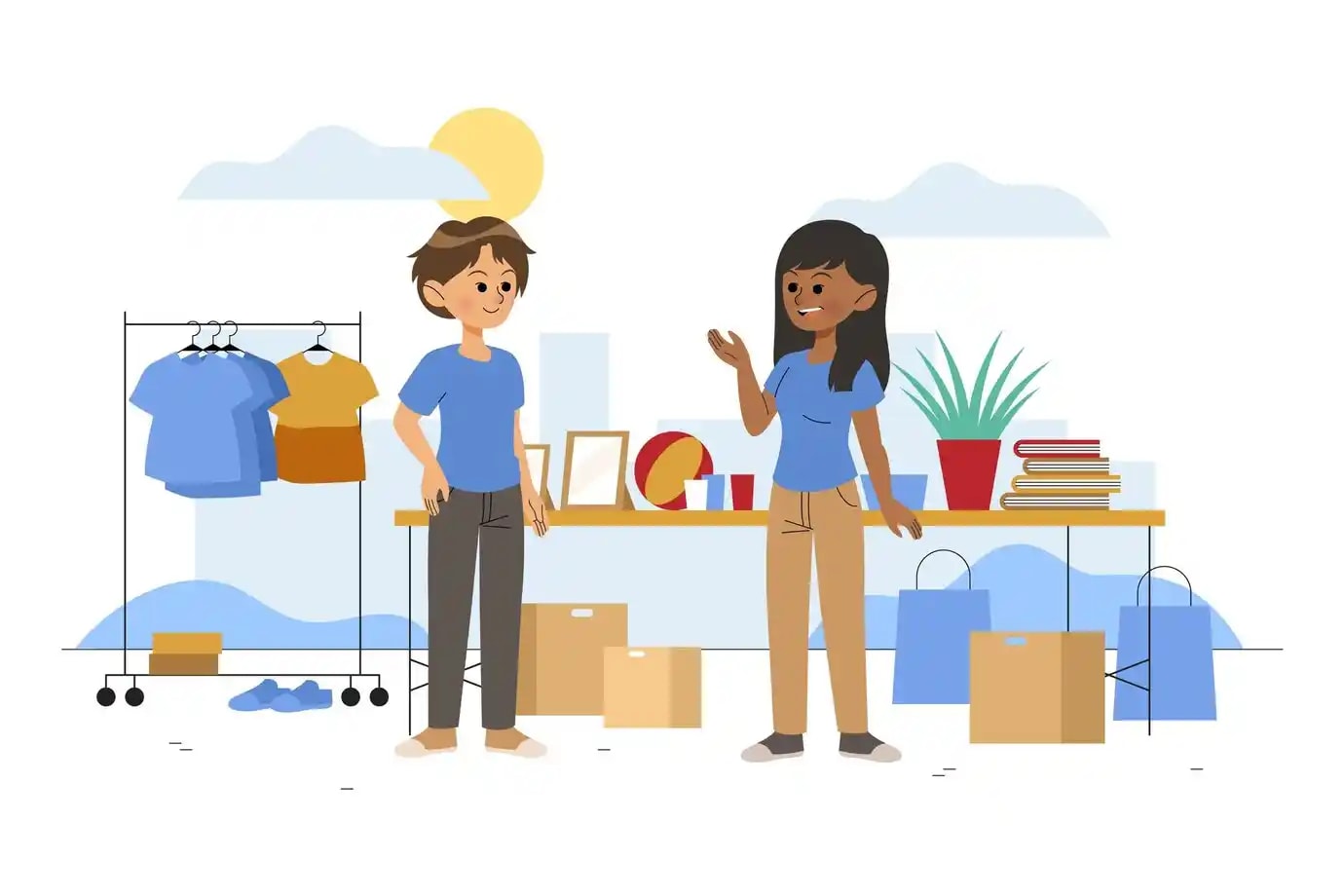
Flip and Sell Used Items
Reselling thrifted finds or your own unused belongings on eBay,
Facebook Marketplace, or Poshmark is the quickest way on this
entire list to see actual money — often within days of your first
listing. It's not scalable the way a digital product is, since
every sale requires sourcing, cleaning, photographing, and
shipping a physical item, but as a low-risk way to learn product
research and pricing, it's genuinely useful groundwork for the
online store or
dropshipping sections
above.
Startup CostVery Low
Time to First $Days
Skill NeededLow
Income CeilingLow–Medium
What Works in Its Favor
- Declutter your home while making money from it
- Almost no learning curve to list your first item
-
Teaches product valuation skills that transfer to bigger
ventures
-
Cash flow is nearly immediate compared to every other method
here
What Nobody Mentions
-
Sourcing good inventory takes real time hunting thrift
stores and sales
-
Packing and shipping (or arranging meetups) eats into the
margin
-
Inventory is inherently unpredictable — no two batches are
alike
- Platform and payment processing fees take a real bite
If you decide to make a real side business out of this, comparing
which card gives you the best cashback on your sourcing trips is
worth ten minutes — our
SBI credit card comparison
is a useful starting reference if you're shopping in India.
17
Make and Sell Jewelry
Handmade jewelry sits at a nice intersection of craft margins and
low material cost — a $15 pair of earrings can easily cost under
$3 in materials once you're buying supplies in bulk. Custom and
personalized pieces (birthstones, initials, wedding party gifts)
tend to command the best margins and the most repeat,
word-of-mouth customers.
Startup CostLow
Time to First $1–2 mo
Skill NeededMedium
Income CeilingMedium
What Works in Its Favor
- Strong margins on custom and personalized pieces
- Genuine creative outlet with tangible output
-
Craft fairs offer instant customer feedback and cash sales
- Low barrier to starting as a side hobby-business
What Nobody Mentions
-
Precious metal and gemstone costs fluctuate with commodity
prices
- Each piece still takes real hands-on time to make
-
Good product photography matters more than most sellers
expect
- Heavily seasonal around gifting holidays
Once orders pick up, it's worth setting aside a portion of profit
somewhere it can actually grow instead of sitting idle — our
overview of
post office savings schemes
is a reasonable place to start if you want something low-risk for
reinvestment capital.
18
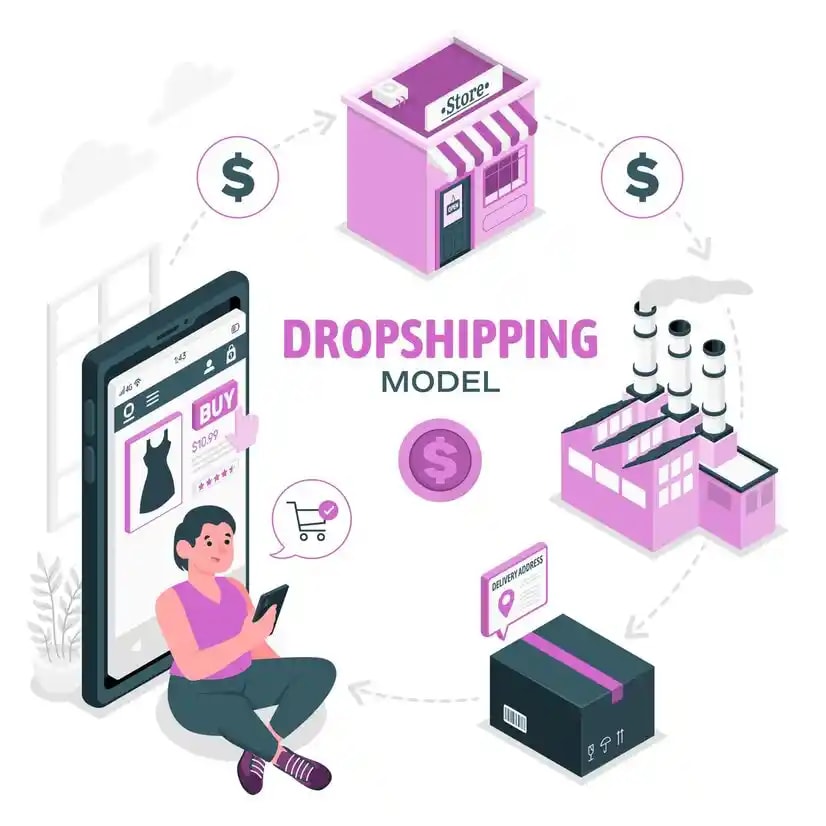
Start a Dropshipping Business
Dropshipping lets you sell products without ever
holding inventory — a supplier ships directly to your customer,
and you keep the margin between your retail price and their
wholesale cost. It's the most heavily marketed "get rich quick"
idea on this list, and also the one where most beginners lose
money on ads before finding a product-market fit that works. Treat
the first month or two as paid research, not guaranteed profit.
| Supplier Type |
Shipping Time |
Typical Margin |
| AliExpress / global marketplaces |
7–20 days |
10–20% |
| US/EU-based dropship suppliers |
2–7 days |
15–30% |
| Print-on-demand |
3–10 days |
15–30% |
| Local/regional wholesalers |
1–5 days |
20–40% |
Startup CostMedium
Time to First $2–4 mo
Skill NeededMedium
Income CeilingHigh
What Works in Its Favor
- No inventory to buy, store, or ship yourself
-
Test many products quickly without big upfront risk per item
- Fully location-independent to run
-
Can scale fast once you find a winning product and ad angle
What Nobody Mentions
-
Ad costs are the real startup cost, not the store itself
-
Margins are thin — supplier price hikes can wipe out profit
fast
-
Long shipping times from overseas suppliers hurt customer
trust
-
You're still responsible for customer service on products
you never touch
Store uptime directly affects ad conversion — if your checkout
goes down mid-campaign, you're paying for clicks that convert to
nothing. Our free
website status checker
is a quick way to confirm your store is actually live before you
scale ad spend, and a business card built for recurring supplier
payments, like the options in our
SBI credit card guide, can help track spend by category.